


So here’s a scene we walk into at least three or four times a week. A homeowner opens the dryer, reaches in, and pulls out a tangled ball of clothes that are somehow still damp after a full cycle. The drum spun. The timer ran. Everything seemed normal. But the clothes? Cold. Not warm-and-almost-dry cold. Actually cold. Like the dryer forgot the whole “heating” part of its job.
That, more often than not, is a blown thermal fuse. And until you’ve dealt with one, you probably didn’t even know the thing existed. We’re the appliance repair Jacksonville FL team, and we wrote this guide because the thermal fuse is one of those parts people Google at 10 p.m. on a Tuesday when they realize they have no dry clothes for work tomorrow. Let’s get into it.
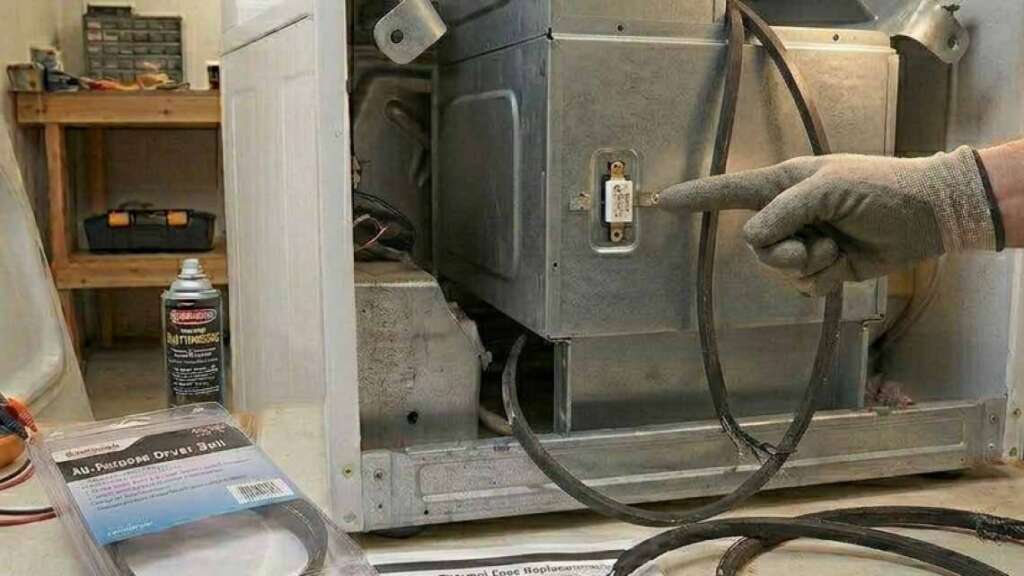
Wait, What Even Is a Thermal Fuse?
Tiny part. Huge job. The dryer thermal fuse is basically a temperature-triggered emergency switch. It’s a flat piece — about the size of your thumb, maybe smaller — bolted somewhere inside the machine (usually near the exhaust duct or blower housing). Its only purpose in life is to cut the electrical circuit if the dryer gets dangerously hot inside. One and done. It trips once, and it’s dead. You can’t reset it. You can’t talk it into working again. It has to be replaced.
And yes — every modern clothes dryer has one. Doesn’t matter if it’s Whirlpool, Maytag, Samsung, GE, Kenmore, or LG. Gas or electric. Front-load or top-load. They all have this little fuse tucked away somewhere, quietly waiting for the day the dryer overheats. The thermal fuse location varies by brand, which is half the headache when you’re trying to find it yourself.
Schedule your appliance repair today!
How to Tell If Your Thermal Fuse Is Blown
It’s actually pretty distinctive. Not a lot of dryer problems look exactly like this:
- Drum spins, but zero heat. Clothes tumble for an hour and come out the same temperature they went in. This is the classic sign.
- Dryer won’t power on at all. Some Samsung and GE models wire the thermal fuse into the main circuit, so when it blows, the whole machine goes dark. Confusing, we know.
- The problem came out of nowhere. The last load was fine. This load? Nothing. Thermal fuses don’t give warnings. They don’t gradually weaken. They work, and then they don’t.
- You’ve noticed longer drying times lately. This one’s a clue about the cause, not the fuse itself. If your dryer has been taking two cycles to dry what it used to do in one, the vent is probably clogged — and that clog is what eventually kills the fuse.
How to Check a Dryer Thermal Fuse (Without Guessing)
First option: Got a multimeter? Great. Unplug the dryer. Find the fuse (your model’s manual will point you to the thermal fuse location, or punch your model number into YouTube — someone’s made a video, trust us). Pull the wires off both terminals. Set the multimeter to continuity. Touch one probe to each terminal. Hear a beep? Fuse is good, and your problem is somewhere else. Silence? Blown. Time for a new one.
Second option: Don’t have a multimeter? You can try eyeballing the fuse — sometimes a blown one has a visible break in the metal strip inside. But honestly, that’s a coin flip. A basic multimeter runs about eight bucks at any hardware store and removes all the guesswork. Worth it.
Okay, It’s Blown. Now What?
Here’s the general play-by-play. Exact steps depend on your brand and model, but the concept is the same across the board:
- Kill the power. Unplug the dryer. Gas model? Shut the valve. Non-negotiable.
- Open her up. Usually the back panel, sometimes the front. A quarter-inch nut driver or Phillips screwdriver is all you need for most machines.
- Find the fuse. Small, flat, inch or two long. Two wires running to it. One or two screws holding it in place.
- Swap it. Disconnect the wires, pull the old fuse out, put the new one in. Match the part number to your model — don’t guess on this. Reconnect the wires snugly.
- Button everything up and test. Run a cycle on high heat. Feel the air coming out. Warm? You’re back in business.
The Part Nobody Thinks About: Why Did It Blow?
This is where most DIY thermal fuse replacements fall short. People swap the fuse, the dryer heats up again, and they pat themselves on the back. Three weeks later? Same dead fuse. Same cold clothes. Same frustration. Because the fuse didn’t blow for fun. Something made the dryer overheat, and that something is still lurking.
Nine out of ten times, it’s the exhaust vent. Lint piles up inside the ductwork, month after month. Airflow drops. The dryer can’t push humid air out fast enough. Temperature climbs. Fuse trips. Other possibilities: a heating element that’s stuck in the “on” position, a cycling thermostat that stopped cycling, or a blower that’s not pulling enough air.
If your dryer thermal fuse keeps blowing, stop buying replacement fuses and start asking why. A high-rated appliance repair company will trace the actual root cause so you’re not stuck in a cycle of replacing a ten-dollar part every month.
DIY or Call Appliance Repair Jax?
The fuse swap by itself? Not that hard. Fifteen minutes if you’ve done it before. The part is cheap. The tools are basic. If you’re comfortable taking a panel off a dryer and you own a multimeter, go for it.
But the bigger picture is what gets people. Replacing the fuse without checking the vent, the thermostat, and the heating element is like replacing a car fuse without asking what blew it.
A professional Appliance Repair Jax tech will do the full workup — swap the fuse, inspect the vent line, test the heating circuit, and tell you exactly what caused the overheat. That’s the part you’re really paying for: the diagnosis, not just the fuse.
What Happens When You Call Us
Our Jacksonville appliance repair techs show up with the most common thermal fuses already on the truck. No ordering parts, no second trips for standard models. They confirm the fuse is dead, pop the new one in, then go deeper — vent check, thermostat test, element inspection. Whole thing wraps up under an hour for a typical job.
How to Keep This from Happening Again
Lint screen. Every load. We know, we know — you’ve heard it a million times. But here’s the thing people miss: the screen only catches maybe 75% of the lint. The rest sneaks past and builds up in the ductwork behind the machine. Once a year, pull the exhaust hose off the back of the dryer and clean it out. Go outside and check the vent flap too — if it’s clogged or stuck shut, your dryer is basically suffocating.
One more thing: ditch the cheap vinyl vent hose if you still have one. Those accordion-style hoses trap lint in every ridge. Switch to a rigid metal duct and keep the run short. Your dryer will thank you by not blowing fuses.
Name: Appliance Repair Jax
Adress: 164 Johns Glen Dr, Jacksonville, FL 32259
Phone: (904) 200-4110
Website: https://appliancerepairjax.com/
Conclusion
A blown thermal fuse is a quick fix with a deeper story behind it. Replace the fuse, sure — but figure out what made it blow, or you’ll be back at square one before the month is out. If you’re in Jacksonville and your dryer quit heating, give Appliance Repair Jax a ring. We’ll get your dryer back to actually drying things.
More Articles on Dryer Repair
- Dryer Not Drying Clothes Properly? Here’s Why
- Dryer Smells Like Burning — Causes & When to Worry
- Dryer Won’t Start? Check These 6 Things First
- Why Your Dryer Is Taking Too Long to Dry Clothes
- Dryer Not Spinning: Causes and What to Do
- Dryer Squeaking? What It Means and How to Fix It
- Dryer Belt Replacement: Step-by-Step Guide
- Dryer Heating Element Replacement: DIY or Call a Pro?
- Dryer Not Heating? 7 Common Causes & How to Fix Them
